
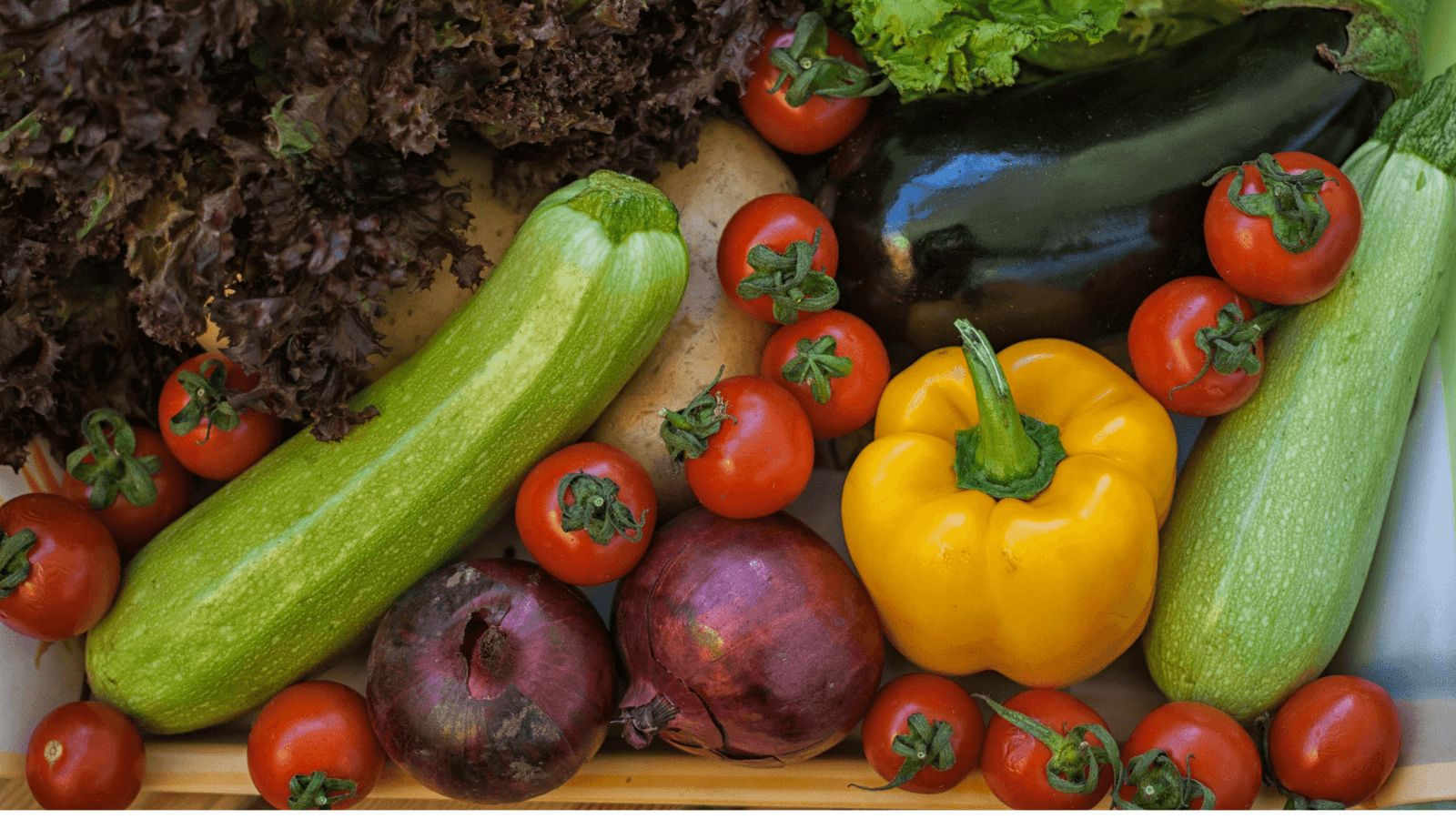
The food import market in the GCC is one of the most dynamic in the world. With limited arable land, rapidly growing populations, and a constantly expanding hospitality sector, countries like the UAE, Saudi Arabia, Qatar, and Kuwait rely heavily on imports to feed their populations and sustain their world-renowned restaurant industries.
Among the most consistently requested categories? Fresh Mediterranean vegetables are renowned for their flavor, nutritional richness, and versatility in Middle Eastern, European, and Asian cuisines.
If you’re an importer, distributor, or food service buyer operating in the GCC, here’s what’s moving and why the Mediterranean region remains one of the most reliable and cost-effective sourcing origins.
The Mediterranean basin, stretching from Tunisia to Morocco and including Spain, Italy, Greece, and Turkey, produces an extraordinary variety of fresh vegetables under optimal growing conditions. The warm climate, the fertility of the coastal soils, and centuries of agricultural tradition result in products that are both high-quality and abundantly available.
For GCC buyers, Mediterranean origins offer several key advantages:
Peppers are among the most exported Mediterranean vegetables to the Gulf countries. Sweet peppers (red, yellow, green), Italian frying peppers, and hot peppers are in high demand, thanks to the region’s diverse cuisine, which ranges from Lebanese mezze to South Asian dishes.
Tunisian and Spanish peppers are particularly sought after for their consistent sizing, vibrant color, and extended shelf life. For food service buyers supplying hotel kitchens and restaurant groups, consistent calibration and packaging standards are critical.
The UAE alone imports tens of thousands of tons of tomatoes annually. Cluster tomatoes and cherry tomatoes have seen the strongest growth in demand, driven by premium retail and the booming café and restaurant scene in Dubai and Abu Dhabi.
Mediterranean tomatoes, particularly from Tunisia, Morocco, and Spain, are prized for their balanced acidity, natural sweetness, and appearance on the shelf. For importers, the ability to receive a consistent caliber with proper cold chain documentation is the deciding factor when choosing a supplier.
Two staples of both Mediterranean and Middle Eastern cuisine, zucchini and eggplant, are in year-round demand across GCC markets. They are high-volume items for both retail distribution and food service supply.
Tunisia and Morocco are excellent sourcing countries for both, offering early-season availability at a competitive price compared to European origins.
Green beans are a consistent performer across GCC retail and food service channels. Fine beans and flat beans from Mediterranean origins arrive earlier in the season than Northern European supplies, giving importers a window to capture demand at premium pricing before the market fills.
Broad beans, deeply rooted in Middle Eastern cuisine, come mainly from Egypt and Tunisia and remain a basic imported product throughout the Gulf.
Onions and garlic of Mediterranean origin, particularly from Egypt, Tunisia, and Spain, are essential staples in all kitchens and are among the key imports of the Gulf countries. Demand remains constant throughout the year, volumes are significant, and buyers favor suppliers who can guarantee consistent quality and reliable documentation.
Spinach, Swiss chard, parsley, coriander, and mint are among the most demanded fresh items in GCC hospitality supply chains. With the UAE’s hotel and restaurant sector among the most active in the world, the demand for fresh herbs and leafy greens is constant and growing.
Mediterranean suppliers are increasingly responding to this demand through improved cold chain infrastructure and air freight options for highly perishable products.
Understanding what buyers actually need is as important as knowing what they want to buy. Across the GCC, procurement teams consistently prioritize:
Food safety certification. GlobalG.A.P., HACCP, and ISO certifications are increasingly required, not just preferred, by major retailers and hotel groups.
Consistent calibration and packaging. Uniform sizing, proper labeling in English and Arabic, and retail-ready packaging are standard expectations for supermarket supply.
Cold chain integrity. From harvest to port to warehouse, unbroken cold chain documentation is essential for produce clearance and shelf life guarantees.
Phytosanitary documentation. GCC customs authorities require valid phytosanitary certificates for all fresh produce imports. Experienced exporters handle this as standard; inexperienced ones create costly delays.
Flexible order volumes. Not every buyer needs a full container. Suppliers who can accommodate mixed-product loads or smaller initial orders are preferred for new sourcing relationships.
At KB Agriculture, we source fresh Mediterranean vegetables directly from certified farms in Tunisia and across the Mediterranean basin, with full documentation, export-ready packaging, and logistics support from our Dubai commercial office.
Discover our fresh produce range or get in touch with our team to discuss your sourcing requirements.
The biggest challenge for GCC importers is not finding Mediterranean products, but finding a partner who can deliver them consistently, document them properly, and adapt to your business growth.
A few things to look for in a Mediterranean fresh produce supplier:
KB Agriculture’s dual-hub model production and sourcing in Tunisia, commercial operations in Dubai- is built precisely to answer these needs. We’re not a trading desk. We’re a structured agri-food company with boots on the ground at both ends of the supply chain.
Peppers (sweet and hot), tomatoes (cherry and cluster), zucchini and eggplant, green and broad beans, onions and garlic, and leafy greens and fresh herbs are the most consistently sourced categories across UAE and GCC retail and food service.
Major retailers and hotel groups increasingly require GlobalG.A.P., HACCP, or ISO certification. Customs authorities also require valid phytosanitary certificates for all fresh produce imports.
Shorter shipping distances from North Africa to Gulf ports reduce transit time and cold chain risk. Staggered harvest seasons across the Mediterranean also allow continuous supply throughout the year.
Not necessarily. Mixed-product loads and smaller initial orders are common for new sourcing relationships.
Whether you need tomatoes for a retail chain, peppers for a food service distributor, or a full Mediterranean produce line for your import portfolio, KB Agriculture is ready to support your sourcing.
Browse our fresh produce offering or contact us to request a product list, pricing, and availability calendar.
+971 50 194 5270
Isis Building, Office 2, Mezzanine, Ennasr 1 Ariana, Tunisie
