
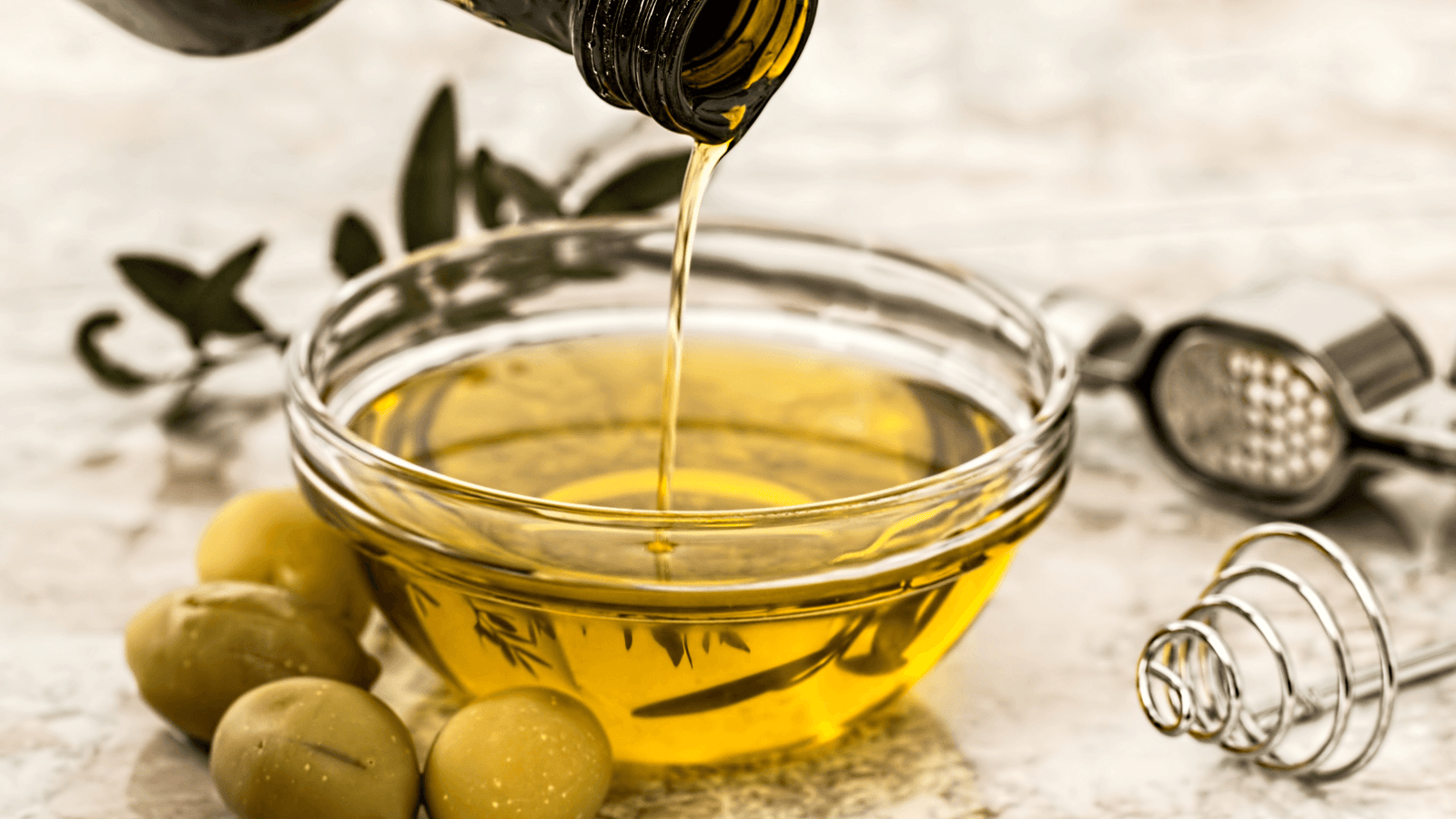
Olive oil is one of the most purchased and most mishandled food products in the world. Millions of bottles are bought, stored incorrectly, and consumed well past their peak quality, often without the buyer ever knowing. For consumers, that’s a missed experience. For retailers and importers, it’s a reputational and commercial problem.
If you’re sourcing, distributing, or retailing olive oil, especially premium extra virgin olive oil, understanding how to store it correctly is not optional. It directly affects product quality on your shelf, customer satisfaction, and ultimately your relationship with your supplier.
Here’s everything you need to know.
Olive oil is a natural, minimally processed product. Unlike refined vegetable oils, extra virgin olive oil retains its full complement of polyphenols, volatile aromatic compounds, and free fatty acids, all of which contribute to its flavor, health benefits, and, unfortunately, its sensitivity to environmental conditions.
The three primary enemies of olive oil quality are:
Light. UV and visible light accelerate oxidation, rapidly breaking down polyphenols and volatile compounds. A bottle of EVOO left on a sunny countertop for two weeks can lose a significant portion of its antioxidant content and develop off-flavors.
Heat. High or fluctuating temperatures speed up chemical reactions that degrade oil quality. Storage above 25°C consistently shortens shelf life and accelerates the development of rancidity.
Oxygen. Once a bottle is opened, oxygen begins reacting with the oil immediately. Proper resealing and consumption within a reasonable timeframe after opening are essential, particularly for retail and food service contexts.
Understanding these three factors shapes every correct storage decision that follows.
The ideal storage temperature for olive oil is between 14°C and 18°C cool but not cold. A dark pantry, a closed cupboard away from the stove, or a temperature-controlled storage room are all appropriate environments.
For retailers, this means avoiding shelf placement near lighting fixtures, windows, or heating systems. A common mistake in supermarket settings is positioning olive oil on brightly lit end caps for visibility, which actively degrades the product being showcased.
Packaging matters as much as the environment. Dark glass (green or amber) blocks UV light effectively. Tin packaging is even more protective and is increasingly preferred for premium and bulk olive oil formats.
Clear glass bottles are visually appealing but offer almost no light protection. If your retail format uses clear glass, ensure display lighting is kept to a minimum and shelf rotation is fast. When sourcing for private label, always specify dark glass or tin for any product positioned as premium or organic.
At KB Agriculture, our olive oil range is available in packaging formats designed for both retail shelf performance and bulk storage integrity. Explore our olive oil products to see the full offering.
Kitchens are the worst environment for long-term olive oil storage, yet that’s where most people keep it. For food service buyers supplying hotel kitchens and restaurants, educating your clients on proper back-of-house storage is part of delivering a quality product experience.
Warehouses and distribution centers should maintain consistent temperatures below 20°C, away from loading dock doors that expose product to outdoor heat fluctuations. For importers receiving large shipments, the first 48 hours after arrival are critical; product should move to climate-controlled storage immediately.
Oxygen exposure is cumulative. Every time a bottle is opened and not properly resealed, oxidation progresses. For retail contexts, this primarily affects consumers, but for food service, where bottles are opened repeatedly throughout a service shift, proper resealing habits are essential to maintaining quality and avoiding waste.
For bulk buyers using drums or large-format containers, a nitrogen flush after each draw-off is best practice to minimize headspace oxygen and extend usable product life.
This is where professional buyers differ from average consumers. The best before date on an olive oil bottle is a legal minimum; it tells you the oil won’t be harmful past that date. It doesn’t tell you whether the oil is still at its best.
Extra virgin olive oil is at its peak within 12 to 18 months of harvest. After that, it may still be technically within its best-before window but will have lost significant flavor complexity and polyphenol content.
When sourcing olive oil, always ask your supplier for the harvest date, not just the expiry date. A bottle dated “best before December 2027” could have been harvested in 2024 or 2025, a meaningful difference for quality-conscious buyers and their customers.
This is one of the reasons traceability matters so much in olive oil sourcing. Read our full guide on single-origin olive oil and traceability to understand what to look for when evaluating suppliers.
Storing near the loading dock. Temperature swings from opening and closing the door affect olive oil stored nearby. Always position olive oil pallets in the interior of your warehouse.
Ignoring stock rotation. FIFO (first in, first out) is non-negotiable for olive oil. Older stock must always move first. Retail staff need regular reminders on shelf rotation discipline.
Displaying in full sunlight. Window displays and sun-facing shelves are common in gourmet and specialty retail. Olive oil should never be part of a window display regardless of how premium the bottle looks.
Ordering too far in advance. Over-stocking to capture a price point can backfire if product sits in a warehouse for months before reaching the shelf. Match your order volumes to realistic sell-through timelines.
Mixing harvests. In bulk storage, mixing oils from different harvests creates traceability problems and can dilute quality. Keep batches separate and clearly labeled with harvest date and origin.
For importers and distributors, olive oil quality on arrival is only part of the equation. How that quality is maintained through your supply chain determines what your customer ultimately receives and whether they come back.
Customers who receive olive oil that smells flat, tastes rancid, or lacks the freshness they expected rarely complain directly. They simply don’t reorder. For retail buyers, that’s lost basket value. For food service, it’s a menu quality problem that reflects on the establishment, not the supplier.
Building proper storage protocols into your receiving, warehousing, and shelf management processes protects the quality of every olive oil product you handle and reinforces the value of sourcing premium, traceable product in the first place.
The best olive oil storage strategy starts before the product arrives at your warehouse. Sourcing from a supplier who provides clear harvest dates, consistent quality documentation, and appropriate packaging for your market removes half the variables before storage even begins.
KB Agriculture supplies premium Tunisian extra virgin olive oil, single-origin, traceable, and available in dark glass, tin, and bulk formats suited to retail, food service, and private label requirements. Our Dubai commercial office provides full documentation and responsive account management for buyers across the UAE, GCC, and international markets.
Learn why Tunisian organic olive oil is among the best in the world, or discover how to choose the right extra-virgin olive oil for your specific market needs.
The ideal range is between 14°C and 18°C. Storage above 25°C consistently shortens shelf life and speeds up rancidity, and warehouses should stay below 20°C.
It is not necessary and not recommended. Refrigeration can make the oil cloudy and solid, and moving it in and out creates condensation. A cool, dark cupboard or a temperature-controlled storage room works better.
Extra virgin olive oil is at its best within 12 to 18 months of its harvest date, not its best-before date. Once opened, use it within a couple of months for the best flavor.
Both protect against light. Dark glass (green or amber) blocks UV light, while tin is even more protective and is preferred for premium and bulk formats. Clear glass offers almost no light protection.
Keep pallets in the interior of the warehouse, away from loading dock doors, at temperatures below 20°C. Move new shipments into climate-controlled storage within 48 hours, rotate stock first in, first out, and keep different harvests separate and labeled.
Premium olive oil deserves proper handling, and it starts with sourcing from a partner who understands both the product and your market.
Contact KB Agriculture to request samples, harvest-date documentation, and wholesale pricing for our Tunisian extra virgin olive oil range.
+971 50 194 5270
Isis Building, Office 2, Mezzanine, Ennasr 1 Ariana, Tunisie
