
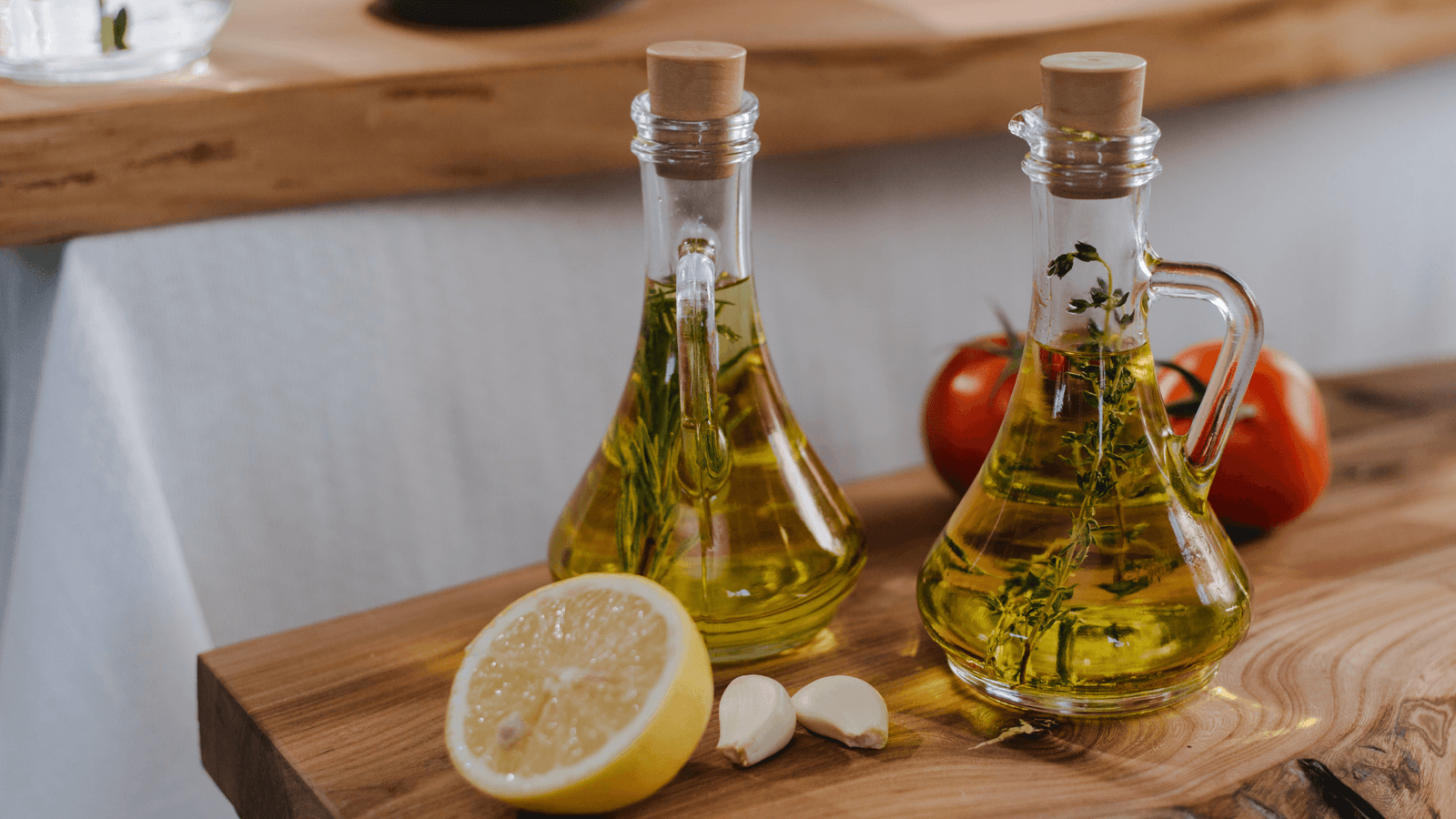
Olive oil has been a kitchen essential for thousands of years, and it’s still one of the most talked-about ingredients in cooking today. Yet plenty of confusion surrounds it: Does it lose its benefits when heated? Is it really safe for frying? Should you save the good bottle for salads only? Here’s what the science and the kitchen experience actually say about cooking with olive oil.
Olive oil sits at the heart of Mediterranean cuisine for a reason. It’s versatile enough to sauté vegetables, roast meats, finish a soup, or dress a salad, and it brings flavor along with nutrition to almost anything it touches. For home cooks and professional kitchens alike, it’s one of the few oils that performs well across nearly every stage of a meal, from prep to plate.
Origin plays a real role here too. Tunisian olive oil, for example, is known for its balanced flavor and high polyphenol content, making it a favorite among chefs who want both taste and nutrition from the same bottle. Read more in our guide on why Tunisian organic olive oil ranks among the world’s best.
Olive oil is made up largely of monounsaturated fats, the kind linked to lower LDL (“bad”) cholesterol and better cardiovascular health. Cooking with olive oil instead of butter or heavily processed oils is one of the simplest swaps for a heart-conscious kitchen.
Good-quality olive oil, especially extra virgin, contains polyphenols and vitamin E, both of which act as antioxidants in the body. These compounds are part of why the Mediterranean diet is so consistently linked to long-term health outcomes.
Some of the natural compounds in olive oil, including oleocanthal, have mild anti-inflammatory properties. While olive oil isn’t a substitute for medical treatment, it’s a reasonable everyday choice for anyone prioritizing a lower-inflammation diet.
This is the question most people actually want answered. The short version: olive oil holds up well under normal cooking temperatures. While some polyphenols do degrade with prolonged high heat, studies show olive oil remains more stable than many seed oils during cooking, and it still retains a meaningful share of its antioxidant content after sautéing or roasting. For everyday cooking, the health trade-off is minimal.
The “smoke point” is the temperature at which an oil starts to break down and smoke, and it’s the source of most of the myths around cooking with olive oil.
Both ranges comfortably cover sautéing, roasting, and pan-frying. The idea that extra virgin olive oil “can’t handle heat” is outdated; it’s simply better suited to moderate-heat cooking than to prolonged deep frying at very high temperatures.
Best for drizzling, dressings, dips, light sautéing, and roasting at moderate temperatures. This is where its flavor and nutritional value shine the most.
Best for higher-heat cooking, including pan-frying and occasional deep frying, where a more neutral flavor and higher smoke point are useful.
Myth: Extra virgin olive oil burns the moment it hits a hot pan. False. It has a smoke point well above typical stovetop cooking temperatures.
Myth: Heated olive oil becomes toxic. False. Cooking with olive oil at normal temperatures does not produce harmful compounds in any meaningful amount.
Myth: Any olive oil labeled “extra virgin” delivers the same benefits. Not necessarily. Quality varies significantly between producers, and how a bottle is sourced and stored changes what’s actually in it. If you want to know what separates a genuinely high-quality bottle from an average one, see our guide on spotting truly premium olive oil.
Not all olive oil is created equal, and the right choice depends on how you plan to use it. Our guide on choosing the right extra virgin olive oil breaks down what to look for on the label. Once you’ve picked the right bottle, proper storage matters as much as the oil itself. Our olive oil storage guide covers how to protect flavor and shelf life from the moment it arrives.
Yes. Both extra virgin and refined olive oil can be used for frying. Refined olive oil has a higher smoke point and suits sustained deep frying, while extra virgin olive oil works well for shallow frying and sautéing.
It keeps most of its benefits under normal cooking conditions. Some antioxidants decrease with prolonged high heat, but olive oil remains one of the more stable and heart-healthy oils for everyday cooking.
Extra virgin olive oil typically has a smoke point between 190°C and 210°C (375–410°F), well within the range needed for sautéing, roasting, and most stovetop cooking.
Yes. Olive oil is a common substitute for butter or vegetable oil in baking, adding moisture and a subtle flavor to cakes, breads, and savory bakes.
Whether you’re supplying restaurants, hotels, or retail shelves, the quality of the olive oil you offer makes a real difference to your customers. KB Agriculture sources premium, traceable olive oil directly from Tunisia for importers, distributors, and retailers across the UAE and GCC.
+971 50 194 5270
Isis Building, Office 2, Mezzanine, Ennasr 1 Ariana, Tunisie
