Author: ghofrane

  • Tunisian Harissa: Why Can’t UAE Restaurants Get Enough?
    Tunisian Harissa: Why Can’t UAE Restaurants Get Enough?

    Tunisian Harissa: Why Can’t UAE Restaurants Get Enough?

    A red paste is quietly making its way onto the menus of upscale restaurants, street food stalls, hotel brunches, and artisanal burger joints in Dubai and Abu Dhabi. Its pronounced, earthy, and slightly smoky flavor is just the right amount of spice, without overpowering other dishes.

    That paste is Tunisian harissa. And if you work in food, it’s time to pay close attention.

    What is harissa, exactly?

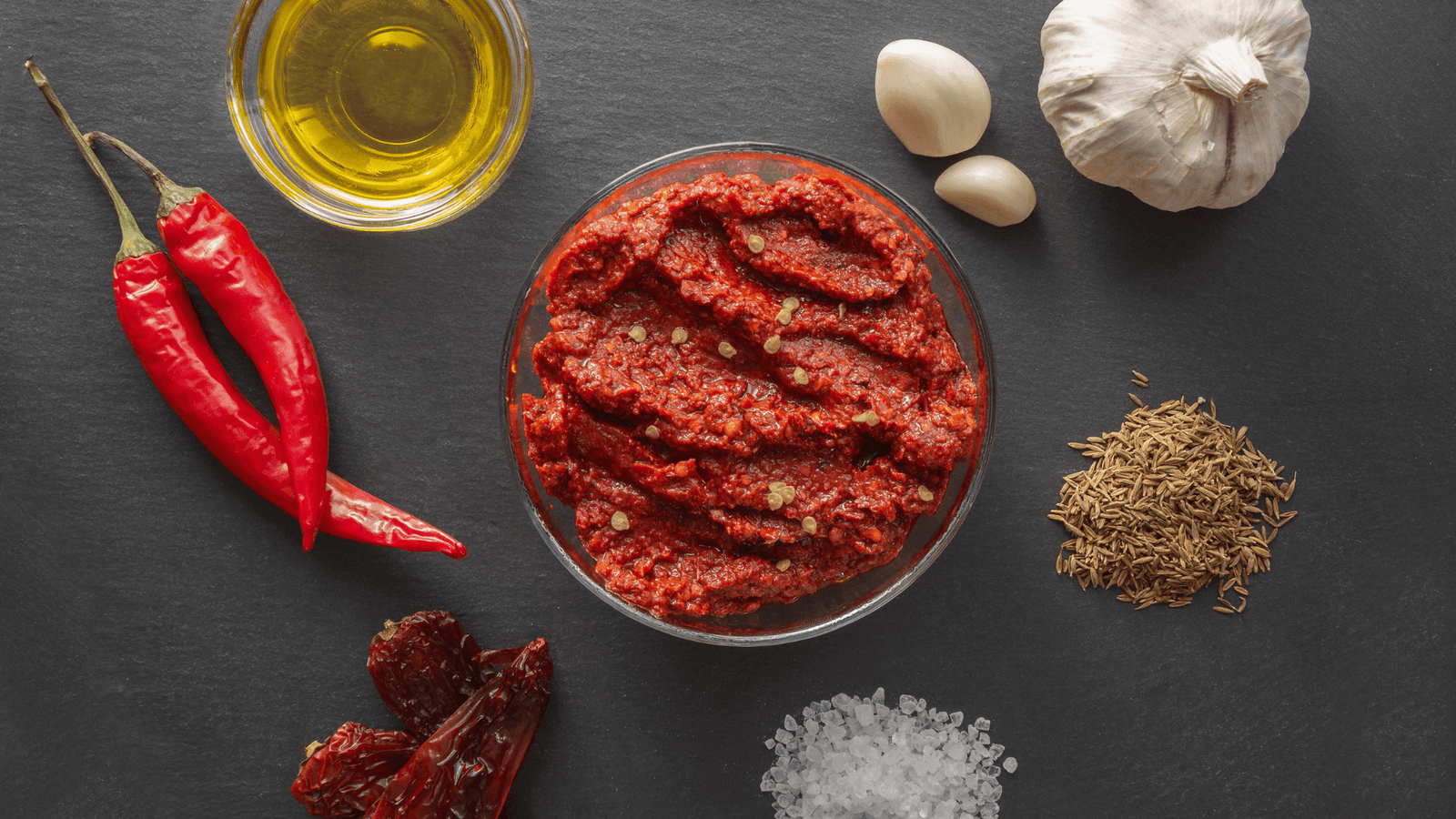
    Harissa is Tunisia’s national condiment, a thick, deeply flavoured chili paste made from sun-dried red peppers, garlic, olive oil, and a small set of spices: caraway, coriander, and salt at its most traditional. Some regional versions add cumin or a touch of lemon juice, but the soul of the paste stays the same across every Tunisian household and producer.

    It is not just a hot sauce. Harissa is simultaneously a condiment, a cooking ingredient, and a marinade. In Tunisia, it’s eaten daily, spread on bread, stirred into soups and stews, used as a base for couscous dishes, and served alongside grilled meats and fish.

    Harissa is made with sun-dried hot peppers, freshly prepared spices, and olive oil, which preserves it and slightly reduces its spiciness. That combination is what makes it so versatile: the olive oil rounds the heat, the spices add depth, and the result is something that enhances a dish rather than just burning through it.

    It carries UNESCO recognition, and that matters.

    In December 2022, UNESCO did something that put harissa on the global cultural map: harissa was inscribed on the Representative List of the Intangible Cultural Heritage of Humanity, recognised as an integral part of domestic provisions and the daily culinary and food traditions of Tunisian society.

    It sits on that list alongside French baguettes, Ukrainian borscht, and Cuban rum traditions that represent not just food, but identity.

    Already popular in North Africa and France, this condiment is gaining popularity worldwide, from the United States to China, where it is considered the North African cousin of sriracha.

    For chefs and food buyers, UNESCO recognition isn’t just a story to tell on a menu; it’s a signal that this ingredient has cultural depth, global credibility, and long-term staying power. This isn’t a passing trend.

    Why are UAE restaurants reaching for it?

    The UAE’s food scene in 2026 is moving in a clear direction: away from spectacle and toward ingredients that have real character. The message coming from UAE chefs and restaurateurs is strikingly aligned: less noise, more meaning, with flavours allowed to speak for themselves.

    Harissa fits that shift perfectly. It’s not a gimmick. It’s not fusion for the sake of it. It’s a centuries-old paste with a specific flavour profile that works across multiple cuisines, and the UAE’s cosmopolitan, flavour-forward dining scene is exactly the right environment for it.

    There’s also a practical reason. Dubai’s restaurant market is intensely competitive. Chefs are constantly looking for ingredients that differentiate their menus without requiring complex techniques. Harissa is that ingredient: one jar, dozens of applications, immediate flavour impact.

    Add to that the UAE’s large North African and Arab diaspora community, for whom harissa is a familiar comfort, and you have an ingredient with broad appeal across multiple customer segments.

    How chefs are actually using it

    Tunisian Harissa is one of the most versatile condiments a professional kitchen can stock. Here’s how it’s being used across UAE restaurants and food businesses right now:

    As a marinade: rubbed onto chicken, lamb, or fish before grilling. The oil in the paste keeps the meat moist, while the spices form a flavoured crust. It’s become a go-to for shawarma and grilled protein concepts.

    As a sauce base: stirred into tomato sauces, used as the starting point for stews, or thinned with Tunisian olive oil and lemon for a dipping sauce. A spoonful transforms a basic pasta or grain bowl into something with real character.

    As a condiment at the table: served alongside bread, mezze, or as an alternative to conventional hot sauce, increasingly appearing in burger restaurants, brunch menus, and gourmet grocery retail.

    As a glaze: mixed with honey or pomegranate molasses for a sweet-heat finish on roasted vegetables, wings, or cauliflower dishes. This version resonates strongly with plant-based and health-focused menus.

    As a spread: on sandwiches, wraps, and flatbreads. Its thick paste consistency means it clings rather than drips, making it practical for grab-and-go formats.

    What to look for when sourcing harissa

    Not all harissa is the same. The quality gap between industrial products and properly made traditional harissa is significant, and your customers will notice.

    The best harissa is made with a short, clean ingredient list: dried chili peppers, garlic, olive oil, caraway, coriander, and salt. If you see heavy tomato paste, excessive preservatives or unfamiliar flavours, it may be a less traditional variant.

    Tunisian harissa, specifically sourced from the Cap Bon region in northeast Tunisia, where chili cultivation has deep roots, tends to have a more balanced, aromatic profile than versions produced elsewhere. The olive oil used in traditional production also plays a role: good olive oil carries and mellows the heat in a way that vegetable oils cannot.

    For wholesale and HoReCa buyers, sourcing directly from a Tunisian producer or distributor is the most reliable way to get consistent quality, authentic flavour, and full traceability. This is especially important as harissa becomes more mainstream and lower-quality imitations fill retail shelves.

    Sourcing Tunisian harissa in the UAE

    KB Agriculture sources and distributes authentic Tunisian harissa directly from Tunisia, where our production and sourcing operations are based. Our harissa is made with traditional ingredients, no unnecessary additives, and the same premium Tunisian olive oil that defines the quality of everything we supply.

    Whether you’re a restaurant group, a specialty retailer, or a food manufacturer looking to add harissa to your product range, we supply in formats suited to professional and wholesale needs, from catering-size jars to bulk supply and private label options.

    If you’re already working with Mediterranean ingredients in the GCC, harissa is a natural addition to your portfolio.

    The Bottom Line

    Harissa isn’t new. In Tunisia, it’s been on the table for centuries. What’s new is that the rest of the world, including the UAE’s restaurant scene, is finally catching up with what Tunisians have always known: that a well-made chili paste with the right spices and good olive oil is one of the most useful, flavourful, and versatile things you can put in a professional kitchen.

    The chefs and buyers who are getting ahead of this curve now will be the ones with the most credible story to tell when harissa is everywhere.

    Looking to source authentic Tunisian harissa for your restaurant, hotel, or food business in the UAE? Contact KB Agriculture, we supply wholesale from Tunisia to distributors and buyers across the GCC.
  • Why Tunisian Organic Olive Oil Is One of the Best in the World

    Why Tunisian Organic Olive Oil Is One of the Best in the World

    Why Tunisian Organic Olive Oil Is One of the Best in the World

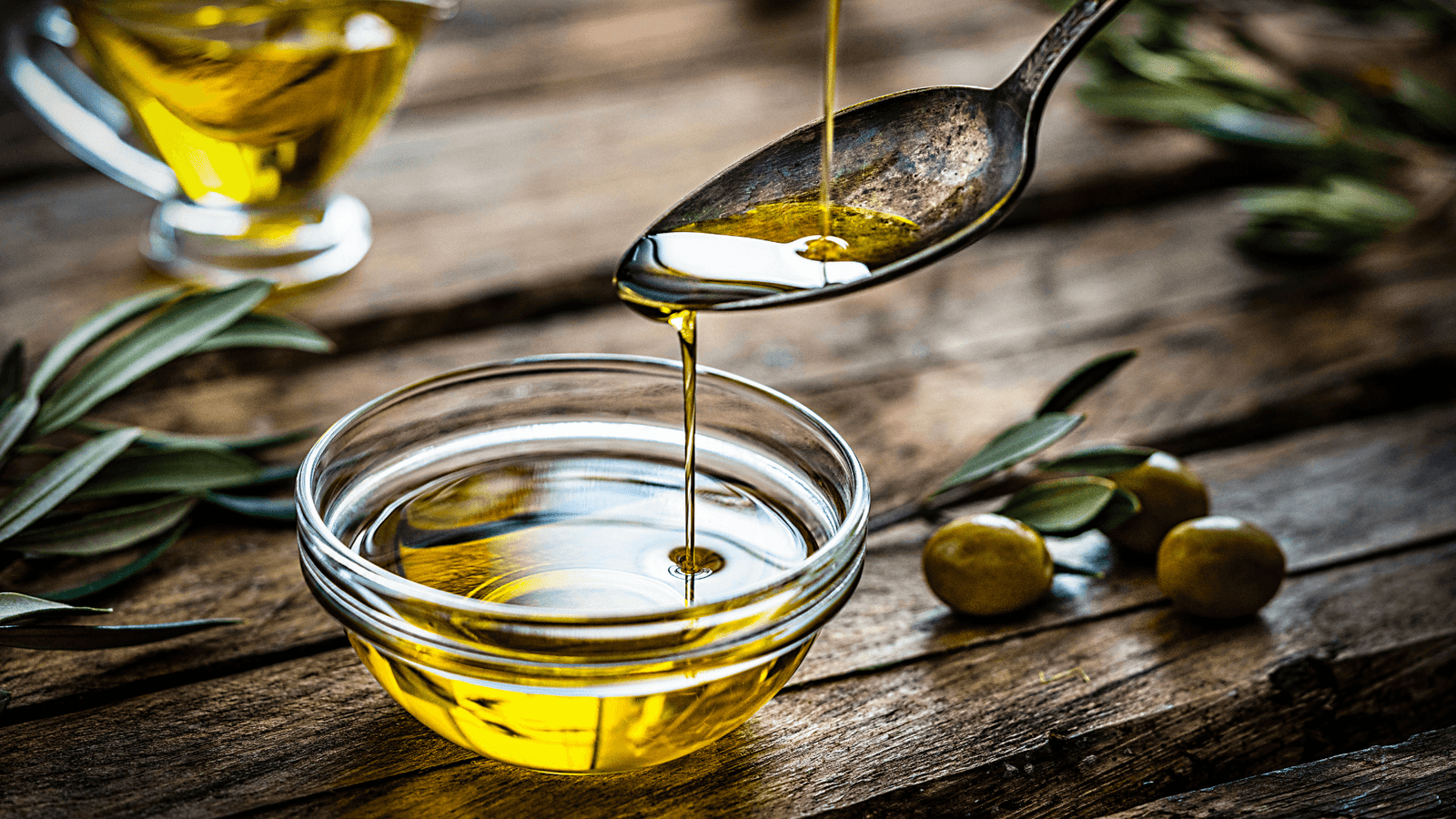
    When people think of premium olive oil, Italy and Spain are usually the first countries that come to mind. That reputation is well-earned, but it doesn’t tell the full story. Tunisia has been quietly producing some of the world’s finest extra virgin olive oil for thousands of years, and today it holds a title that might surprise you: the world’s largest producer of organic olive oil.

    This isn’t marketing. It’s backed by data, international competition results, and a growing number of chefs, importers, and food buyers who have quietly made Tunisian olive oil their first choice.

    Here’s why.

    Tunisia’s olive oil roots go back thousands of years.

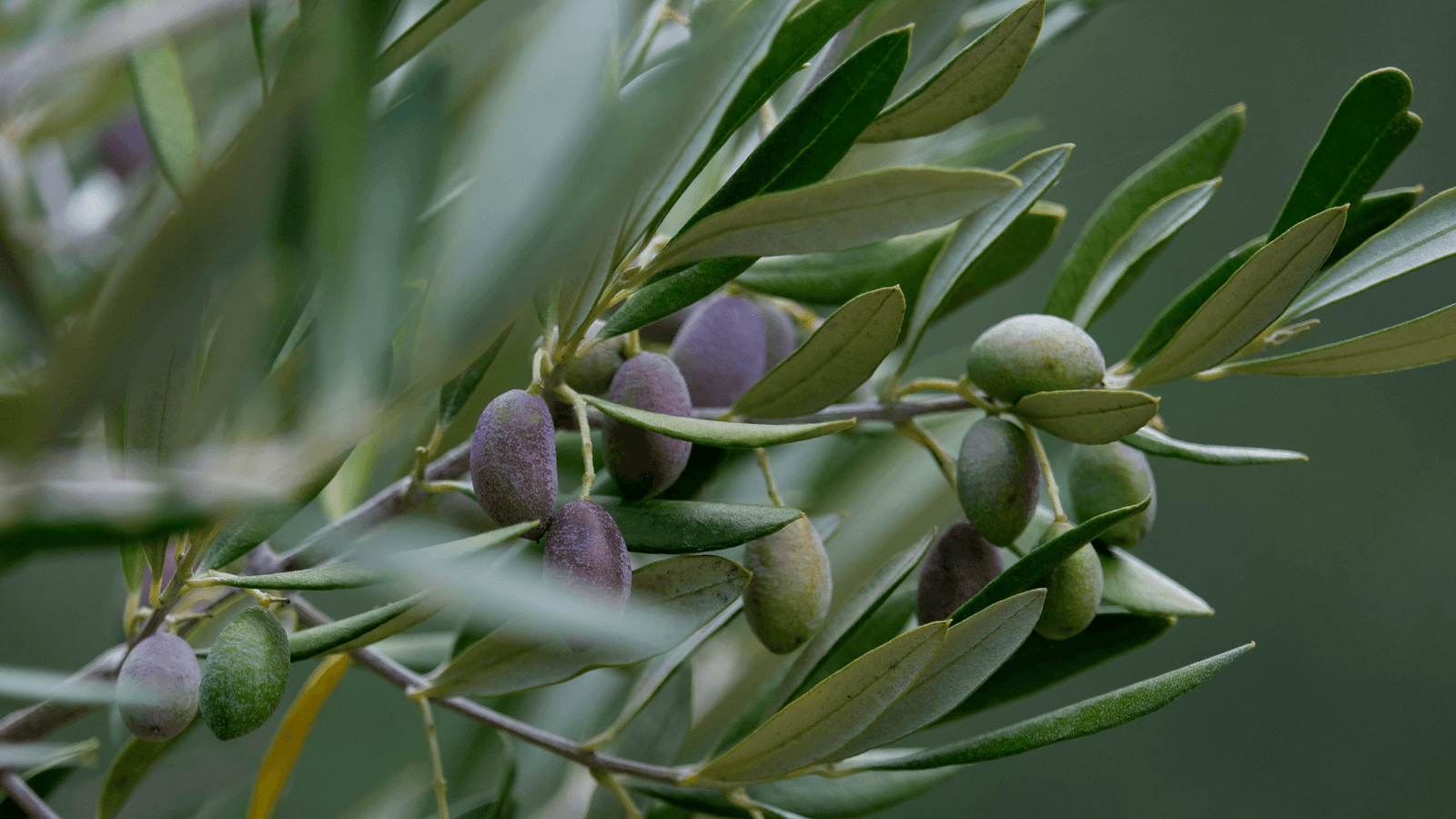
    The olive tree is not a recent crop in Tunisia; it is an integral part of the country’s identity. Olive cultivation in Tunisia dates back to Phoenician and Roman times, when the region known as ancient Carthage was already supplying olive oil to the entire Mediterranean world. Today, Tunisia has more than 82 million olive trees covering nearly 1.8 million hectares, making it the country with the highest olive tree density in the world.

    This deep agricultural heritage means Tunisian farmers aren’t learning how to grow olives. They’ve been doing it for generations, passing down techniques, knowledge of the land, and an instinctive understanding of when and how to harvest.

    The world’s largest producer of organic olive oil

    This is one of the most overlooked facts in the food industry: Tunisia is the world’s largest producer of organic extra virgin olive oil, with nearly 80% of national production classified as organic.

    That figure is extraordinary when you consider the scale. Tunisia became the world’s second-largest olive oil producer overall in the 2025/2026 season, with output reaching a record 500,000 tonnes according to the International Olive Council.

    The reason so much of it is organic isn’t purely ideological; it’s rooted in the country’s traditional farming practices. Many Tunisian groves have never used pesticides or synthetic fertilizers in the first place. The dry climate, thin soils, and low pest pressure naturally support farming without chemicals. For a global market increasingly demanding clean-label, certified organic products, Tunisia is uniquely positioned.

    Two native olive varieties that define the quality

    What gives Tunisian olive oil its character comes down largely to two native varieties:

    Chemlali: the most widely planted olive in Tunisia, covering around 70% of the country’s groves. It thrives in the dry central and southern regions and produces a smooth, mild oil with notes of green almond, fresh herbs, and a light fruitiness. It’s versatile, clean, and well-suited for everyday cooking and blending.

    Chetoui: cultivated mainly in the fertile hills of northern Tunisia, this variety introduced Tunisian olive oil to true olive oil enthusiasts. Chetoui produces a bold, peppery, complex oil that is naturally rich in polyphenols. It’s exactly the kind of robust, high-antioxidant oil that health-conscious consumers and gourmet buyers are searching for. One unmistakable sign of good Chetoui: that distinctive peppery sensation at the back of the throat after swallowing, a direct indicator of high polyphenol content.

    Together, these two varieties give Tunisian olive oil a range and depth that few other origins can match.

    High polyphenols and why it matters

    Polyphenols are natural antioxidants found in extra virgin olive oil. They are a key indicator of its quality, nutritional value, and shelf life. Oils rich in polyphenols are more stable, offer a more complex flavor, and are more beneficial to health.

    Tunisian native cultivars, particularly Chetoui, are among the highest in polyphenol content of any olive varieties in the world. The combination of Tunisia’s dry climate, mineral-rich soils, and early-harvest practices results in oils that regularly test above 400 mg/kg in polyphenol concentration, well above the industry average.

    For importers, retailers, and professional buyers sourcing premium extra virgin olive oil, polyphenol content is increasingly a specification on purchase orders, not just a marketing line.

    International awards confirm the quality.

    Skeptical? The results from international competitions speak clearly.

    At the 2026 NYIOOC World Olive Oil Competition, widely regarded as the world’s most prestigious olive oil quality contest, Tunisia took home multiple Gold and Silver awards, including several in the organic category. Tunisian producers have accumulated 98 Gold and 91 Silver awards in the all-time NYIOOC rankings.

    The 2026 National Competition of the Best Extra Virgin Olive Oils in Tunisia, organised by the National Oil Office (ONH), awarded 36 exceptional oils and noted that the 2025/2026 harvest stood out for exceptional chemical purity, minimal acidity levels, and a total absence of organoleptic defects.

    Tunisia is no longer a hidden gem. It is a recognised world-class origin.

    Why it’s still undervalued and what that means for buyers

    Despite all of this, a significant portion of Tunisian olive oil is still exported in bulk to European countries, where it is blended, repackaged, and sold under Italian or Spanish labels. Buyers in Europe and beyond have been benefiting from Tunisian quality for decades without the label ever saying so.

    The situation is evolving. Tunisian producers and exporters are increasingly investing in premium branded olive oils, bottling products from a single estate and exporting directly to markets such as the UAE and the GCC, where demand for authentic, high-quality Mediterranean products is growing rapidly.

    For food businesses sourcing Mediterranean products in the UAE, this shift represents a real opportunity to access world-class organic olive oil at the source, with full traceability, before the rest of the market catches up.

    Why does KB Agriculture source from Tunisia

    KB Agriculture was founded on exactly this logic. Rooted in Tunisia, where our production unit and sourcing operations are based, we work directly with producers who combine organic farming, early harvesting, and cold-pressing to deliver oil that meets the highest international standards.

    Our olive oil portfolio, including the single-origin selections under our premium brand, is built around the same values that have made Tunisian olive oil exceptional for centuries: clean land, native varieties, careful harvesting, and no shortcuts.

    Whether you are looking for wholesale olive oil supply for retail, HoReCa, or private label, or you want to understand what separates genuine extra virgin olive oil from ordinary table oil, the answer often starts in Tunisia.

    The bottom line

    Tunisia is not an emerging olive oil country. It is one of the oldest, most productive, and most decorated origins in the world, and it is the global leader in organic production.

    The combination of ancient native varieties, a climate perfectly suited to olive cultivation, traditional organic farming, and a new generation of producers focused on quality and traceability makes Tunisian organic extra virgin olive oil genuinely exceptional.

    It has always been good. The world is simply starting to pay attention.

    Interested in sourcing premium Tunisian olive oil for your business? Get in touch with KB Agriculture. We supply wholesale and private label from our production base in Tunisia to distributors and buyers across the UAE, GCC, and worldwide.

  • Top Mediterranean Vegetables in Demand Across the GCC Market

    Top Mediterranean Vegetables in Demand Across the GCC Market

    Top Mediterranean Vegetables in Demand Across the GCC Market

    The food import market in the GCC is one of the most dynamic in the world. With limited arable land, rapidly growing populations, and a constantly expanding hospitality sector, countries like the UAE, Saudi Arabia, Qatar, and Kuwait rely heavily on imports to feed their populations and sustain their world-renowned restaurant industries.

    Among the most consistently requested categories? Fresh Mediterranean vegetables are renowned for their flavor, nutritional richness, and versatility in Middle Eastern, European, and Asian cuisines.

    If you’re an importer, distributor, or food service buyer operating in the GCC, here’s what’s moving and why the Mediterranean region remains one of the most reliable and cost-effective sourcing origins.

    Why the Mediterranean Is a Natural Fit for GCC Demand

    The Mediterranean basin, stretching from Tunisia to Morocco, and including Spain, Italy, Greece, and Turkey, produces an extraordinary variety of fresh vegetables under optimal growing conditions. The warm climate, the fertility of the coastal soils, and centuries of agricultural tradition result in products that are both high-quality and abundantly available.

    For GCC buyers, Mediterranean origins offer several key advantages:

    • Proximity and logistics. North Africa, particularly Tunisia and Morocco, sits within a relatively short shipping distance to Gulf ports, reducing transit time and cold chain risk compared to imports from South America or Asia.
    • Competitive pricing. Mediterranean produce offers strong quality-to-price ratios, especially for premium varieties that would cost significantly more if sourced from Europe.
    • Year-round supply windows. The Mediterranean’s varied microclimates allow staggered harvest seasons, ensuring continuous availability of key products throughout the year.

    The Top Mediterranean Vegetables GCC Buyers Are Sourcing

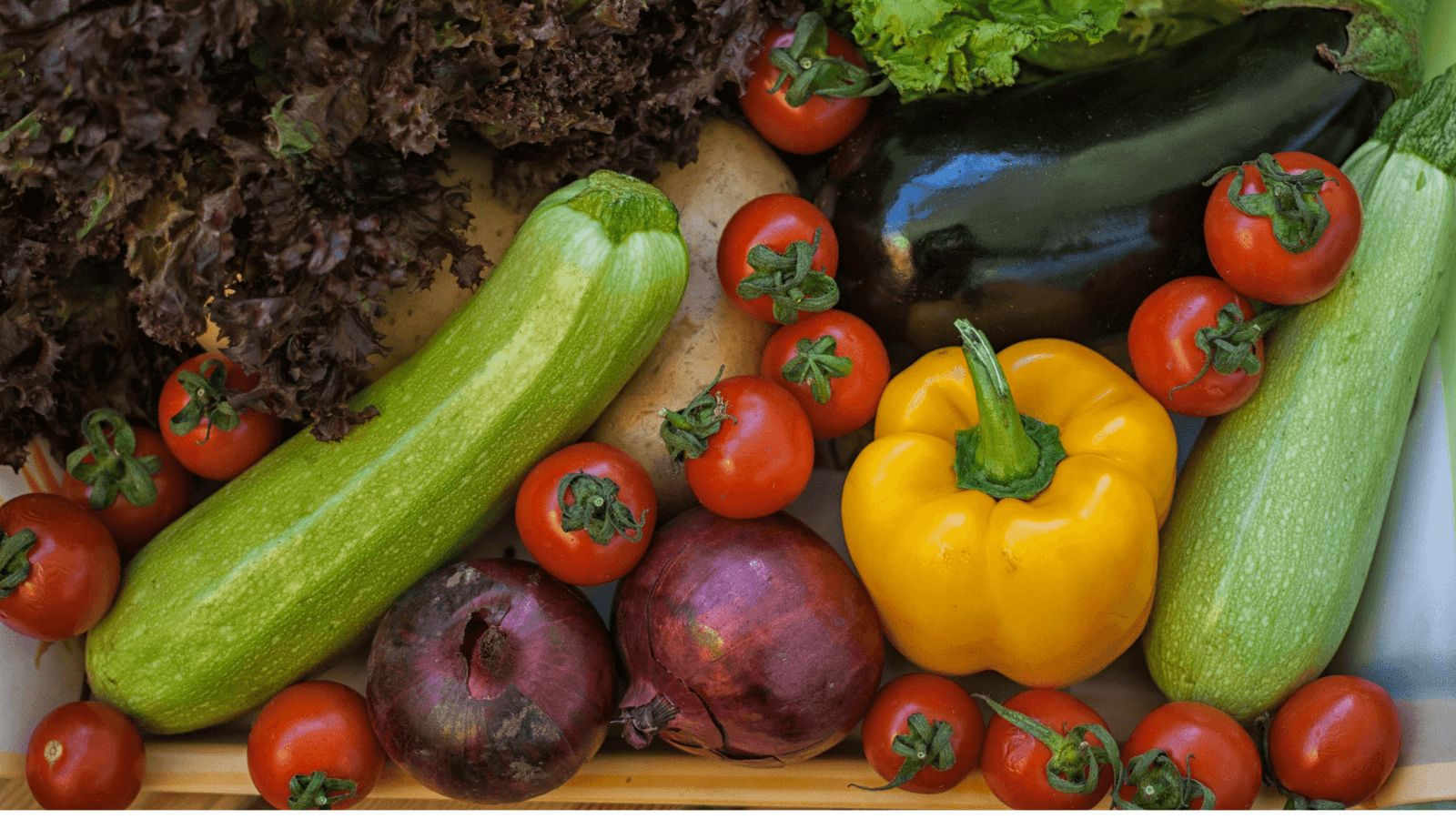
    1. Peppers: Sweet and Hot Varieties

    Peppers are among the most exported Mediterranean vegetables to the Gulf countries. Sweet peppers (red, yellow, green), Italian frying peppers, and hot peppers are in high demand, thanks to the region’s diverse cuisine, which ranges from Lebanese mezze to South Asian dishes.

    Tunisian and Spanish peppers are particularly sought after for their consistent sizing, vibrant color, and extended shelf life. For food service buyers supplying hotel kitchens and restaurant groups, consistent calibration and packaging standards are critical.

    2. Tomatoes: Cherry, Cluster, and Vine-Ripened

    The UAE alone imports tens of thousands of tons of tomatoes annually. Cluster tomatoes and cherry tomatoes have seen the strongest growth in demand, driven by premium retail and the booming café and restaurant scene in Dubai and Abu Dhabi.

    Mediterranean tomatoes, particularly from Tunisia, Morocco, and Spain, are prized for their balanced acidity, natural sweetness, and appearance on the shelf. For importers, the ability to receive a consistent caliber with proper cold chain documentation is the deciding factor when choosing a supplier.

    3. Zucchini and Eggplant

    Two staples of both Mediterranean and Middle Eastern cuisine, zucchini and eggplant, are in year-round demand across GCC markets. They are high-volume items for both retail distribution and food service supply.

    Tunisia and Morocco are excellent sourcing countries for both, offering early-season availability at a competitive price compared to European origins.

    4. Green Beans and Broad Beans

    Green beans are a consistent performer across GCC retail and food service channels. Fine beans and flat beans from Mediterranean origins arrive earlier in the season than Northern European supplies, giving importers a window to capture demand at premium pricing before the market fills.

    Broad beans, deeply rooted in Middle Eastern cuisine, come mainly from Egypt and Tunisia and remain a basic imported product throughout the Gulf.

    5. Onions and Garlic

    Onions and garlic of Mediterranean origin, particularly from Egypt, Tunisia, and Spain, are essential staples in all kitchens and are among the key imports of the Gulf countries. Demand remains constant throughout the year, volumes are significant, and buyers favor suppliers who can guarantee consistent quality and reliable documentation.

    6. Leafy Greens and Fresh Herbs

    Spinach, Swiss chard, parsley, coriander, and mint are among the most demanded fresh items in GCC hospitality supply chains. With the UAE’s hotel and restaurant sector among the most active in the world, the demand for fresh herbs and leafy greens is constant and growing.

    Mediterranean suppliers are increasingly responding to this demand through improved cold chain infrastructure and air freight options for highly perishable products.

    What GCC Buyers Prioritize When Sourcing Mediterranean Produce

    Understanding what buyers actually need is as important as knowing what they want to buy. Across the GCC, procurement teams consistently prioritize:

    Food safety certification. GlobalG.A.P., HACCP, and ISO certifications are increasingly required, not just preferred, by major retailers and hotel groups.

    Consistent calibration and packaging. Uniform sizing, proper labeling in English and Arabic, and retail-ready packaging are standard expectations for supermarket supply.

    Cold chain integrity. From harvest to port to warehouse, unbroken cold chain documentation is essential for produce clearance and shelf life guarantees.

    Phytosanitary documentation. GCC customs authorities require valid phytosanitary certificates for all fresh produce imports. Experienced exporters handle this as standard; inexperienced ones create costly delays.

    Flexible order volumes. Not every buyer needs a full container. Suppliers who can accommodate mixed-product loads or smaller initial orders are preferred for new sourcing relationships.

    At KB Agriculture, we source fresh Mediterranean vegetables directly from certified farms in Tunisia and across the Mediterranean basin, with full documentation, export-ready packaging, and logistics support from our Dubai commercial office.

    Discover our fresh produce range or get in touch with our team to discuss your sourcing requirements.

    Building a Reliable Mediterranean Produce Supply Chain for the GCC

    The biggest challenge for GCC importers is not finding Mediterranean products, but finding a partner who can deliver them consistently, document them properly, and adapt to your business growth.

    A few things to look for in a Mediterranean fresh produce supplier:

    • Direct relationships with certified farms (not just traders)
    • In-country presence at the production origin for quality control
    • Commercial presence in the GCC for responsive account management
    • Track record with GCC customs and import requirements
    • Ability to supply across product categories, not just single items

    KB Agriculture’s dual-hub model production and sourcing in Tunisia, commercial operations in Dubai, are built precisely to answer these needs. We’re not a trading desk. We’re a structured agri-food company with boots on the ground at both ends of the supply chain.

    Start Sourcing Mediterranean Vegetables for Your GCC Business

    Whether you need tomatoes for a retail chain, peppers for a food service distributor, or a full Mediterranean produce line for your import portfolio, KB Agriculture is ready to support your sourcing.

    Browse our fresh produce offering or contact us to request a product list, pricing, and availability calendar.

  • What Is Single Origin Olive Oil and Why Does It Matter?

    What Is Single Origin Olive Oil and Why Does It Matter?

    What Is Single Origin Olive Oil and Why Does It Matter?

    When you buy a bottle of olive oil, the label might say “Product of the Mediterranean” or list three different countries of origin. But increasingly, discerning consumers, from high-end retailers to health-conscious consumers, are seeking out single-origin olive oil.

    What exactly does “single origin” mean, and why is it becoming a non-negotiable standard for quality-conscious buyers in the UAE, the GCC, and beyond?

    What does single-origin olive oil mean?

    Single-origin olive oil comes from a specific place: a country, a region, or even a single farm. Unlike blended olive oils, which mix oils from several countries to guarantee a consistent taste at a lower cost, single-origin oils are fully traceable back to their source.

    Think of it the way specialty coffee works. You don’t just want “coffee from Africa.” You want Ethiopian Yirgacheffe from a specific harvest. Single-origin olive oil applies the same logic: the story of the oil, the soil it grew in, and the hands that harvested it all matter.

    This traceability isn’t just about flavor. It’s about trust.

    Why does single origin matter for Quality?

    When olive oil is a blend of oils from different origins, quality control becomes more complex. Different harvests, climates, and production methods end up in the same bottle. The result is often an oil that barely meets the minimum legal criteria for the “extra virgin” designation.

    Single-origin extra-virgin olive oil is different. Because it comes from one controlled source, producers can:

    • Harvest at the optimal moment for maximum polyphenol content
    • Control the entire cold-press process without compromise
    • Guarantee consistent flavor profiles batch to batch
    • Provide full documentation from the grove to the bottle

    For wholesale buyers and importers, this translates directly into a product you can stand behind, one that won’t generate customer complaints about inconsistent taste or quality.

    The Traceability Advantage: What Buyers and Brands Are Demanding

    Traceability is no longer a niche concern. Across the UAE, GCC, Europe, and North America, retailers and food brands are under growing pressure to prove exactly where their products come from. Consumers are reading labels more carefully. Regulatory bodies are tightening requirements. And private label brands simply cannot afford a quality scandal tied to an untraceable supply chain.

    Single-origin olive oil solves this problem at the source. With a traceable supply chain, you can answer every question a retailer, certification body, or end consumer might ask:

    • Which farm did this come from?
    • What olive varieties were used?
    • When was it harvested and pressed?
    • What are the polyphenol and acidity levels?

    At KB Agriculture, traceability is built into every step of our sourcing process, from our production hub in Tunisia to delivery at your warehouse. Learn more about how we manage our supply chain on our What We Do page.

    Why Tunisian Olive Oil Is the Single Origin Story Worth Telling

    Tunisia is the world’s second-largest olive oil exporter and home to some of the oldest olive groves on the planet; some trees date back over a thousand years. Yet Tunisian olive oil has historically been sold in bulk to European bottlers, who blended it under Italian or Spanish labels.

    That is changing fast.

    Tunisian single-origin extra virgin olive oil is now gaining recognition in international markets for several standout reasons:

    Exceptional polyphenol content. Tunisian EVOO consistently ranks among the highest in polyphenols globally; the antioxidant compounds are linked to cardiovascular health and anti-inflammatory benefits. High-polyphenol olive oil is one of the fastest-growing segments in the premium food market.

    Distinct flavor profile. Varieties like Chetoui and Chemlali produce bold, peppery, complex oils that stand apart from milder Spanish or Greek blends, a clear differentiator on any retail shelf.

    Organic and sustainable production. Tunisia has one of the largest certified organic olive farming sectors in the world, making it a natural fit for clean-label and organic product lines.

    Competitive pricing for premium quality. Compared to Italian single-origin EVOO, Tunisian olive oil offers exceptional quality at a more accessible wholesale price, a critical advantage for importers building margin.

    Single Origin Olive Oil in the UAE and GCC Market

    The UAE is one of the most sophisticated food import markets in the world. Dubai’s retail landscape, from Carrefour and Spinneys to specialty gourmet stores, increasingly demands transparency and premiumization. Single-origin olive oil checks both boxes.

    For food distributors, importers, and private label brands operating in the UAE and GCC, positioning a single-origin Tunisian EVOO on the shelf is a compelling story: authentic origin, documented quality, high polyphenol content, and growing consumer awareness around Mediterranean diet benefits.

    North American markets are equally receptive. The US and Canada have seen a surge in demand for traceable, organic, and single-origin specialty foods, and olive oil is at the center of that trend.

    How to Source Single Origin Olive Oil the Right Way?

    Not all single-origin claims are equal. When evaluating suppliers, look for:

    • Certificate of origin from the producing country
    • IOC (International Olive Council) conformity or equivalent certification
    • Harvest date on label, fresh oil matters
    • Chemical analysis sheet showing acidity, peroxide value, and polyphenol content
    • Organic certification is required for your market
    • Private label capability if you’re building your own brand

    KB Agriculture provides all of the above. As a Mediterranean food distributor with production roots in Tunisia and a commercial hub in Dubai, we supply a single-origin Tunisian EVOO olive oil range in bulk, retail formats, and under private label for buyers across the UAE, GCC, and international markets.

    Ready to Source Single Origin Tunisian Olive Oil?

    Whether you’re an importer, retailer, or building your own olive oil brand, KB Agriculture is your direct link to traceable, premium Tunisian EVOO.

    Explore our olive oil range or contact us to request samples, pricing, and product documentation.