
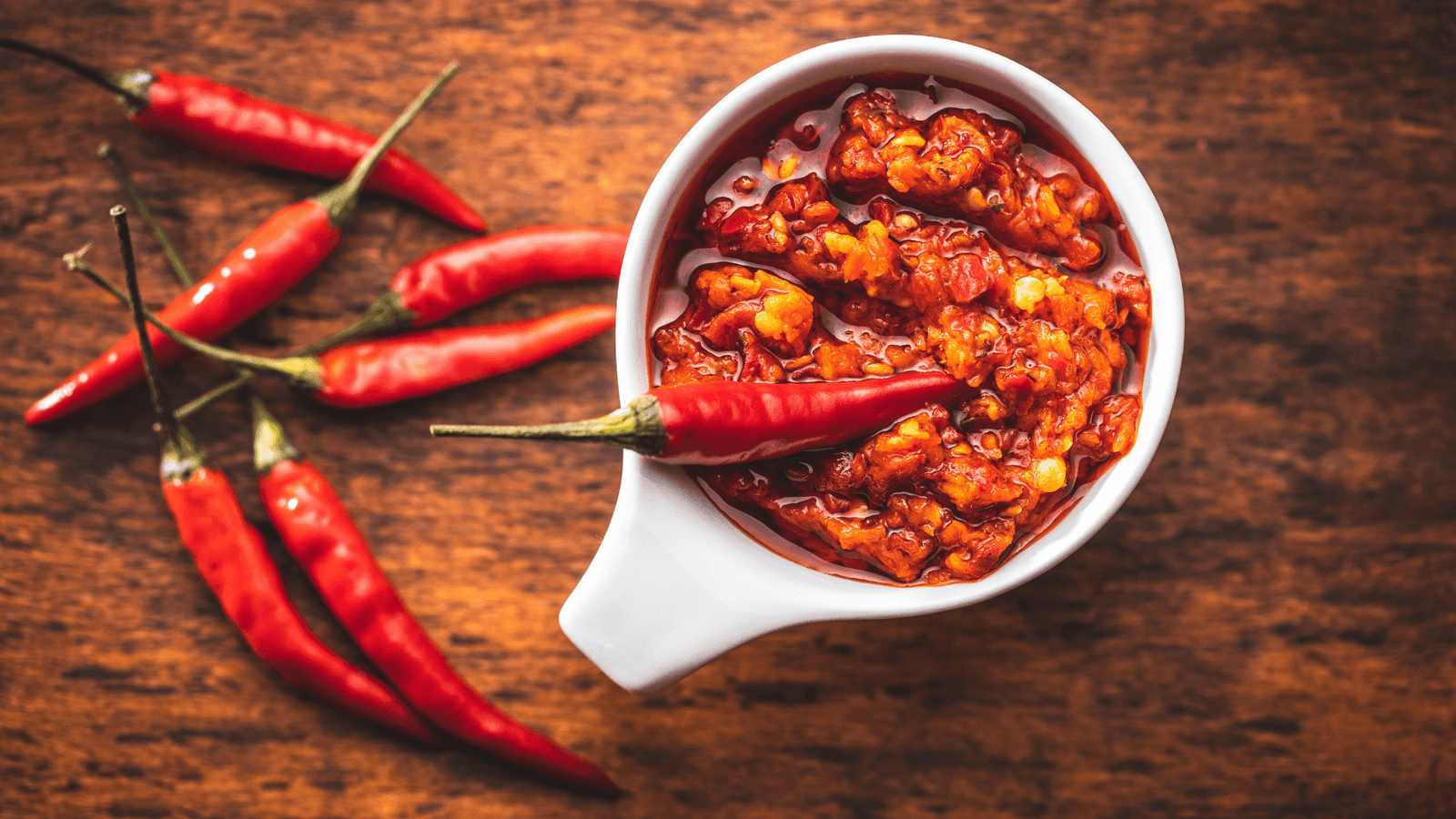
Walk into almost any restaurant in Dubai today, and you will find something spicy on the menu not as a novelty, not as a warning label on one lonely dish, but as a central part of how food is being built and sold. Chili oils, bold condiments, North African pastes, and fire-based flavour profiles are no longer niche. They are mainstream and growing fast.
This is not a local curiosity. It reflects a broader shift in the UAE’s food scene and, for restaurants, retailers, and food businesses, represents a real commercial opportunity worth paying attention to.
The UAE condiments and sauces market is expected to cross AED 1.2 billion by 2026, with a compound annual growth rate of 5 to 6%. The wider sauces, dressings, and condiments segment is projected to grow at over 6.72% CAGR from 2026 to 2031, one of the fastest-growing food categories in the country.
Within that market, spicy products are leading. A report by the Middle East Food Service Association found that 62% of restaurants now include hot sauces as a staple condiment. The Middle East hot sauce market alone is valued at approximately USD 1.4 billion, driven by rising consumer interest in bold flavours and culinary experimentation across the region.
These are not small numbers. They reflect a structural shift in consumer preference, not a passing trend.
The UAE’s population is over 80% expatriate, drawn from more than 200 nationalities. Indian, Filipino, Arab, North African, Asian, and Western communities all share one thing: a deep cultural relationship with spice. For the majority of UAE residents, spicy food is not adventurous eating; it is comfort food.
This creates a unique market dynamic. Unlike Western markets where spicy food is still considered an edge category, the UAE’s baseline consumer is already accustomed to bold, layered flavours. The question is not whether people want spice; it is which products and which flavour profiles best match their palate.
By 2026, the blending of Asian, Middle Eastern, and Western flavour profiles will have become the standard for the UAE home cook and restaurant diner alike. Specialty condiments and hot sauces are the bridge ingredients driving this fusion, the product category that lets a chef connect Korean gochujang with Lebanese tahini, or Tunisian harissa with a modern burger concept.
This cross-cultural cooking has created an enormous appetite for international spicy condiments. UAE consumers are no longer loyal to one flavour tradition; they are curious, informed, and willing to try anything that delivers genuine heat and complexity.
There is also a quality dimension to this trend. UAE diners in 2026 are moving away from novelty and spectacle toward ingredients with real character and provenance. Chefs across Dubai are embracing deeper, umami-driven flavours where global spices are used thoughtfully, not for shock value, but for the complexity and authenticity they bring to a dish.
This is exactly where traditional, artisanal spicy condiments made with real ingredients, proper technique, and a clear cultural origin have a significant advantage over generic industrial hot sauces.
In Dubai’s intensely competitive restaurant market, operators are under constant pressure to differentiate. A well-chosen condiment achieves something that a new piece of equipment or a celebrity chef cannot: it adds instant, memorable flavour impact at very low cost per serving.
This is why harissa, chili oils, and bold North African pastes are appearing on menus far beyond Mediterranean restaurants; in burger concepts, hotel buffets, brunch menus, and street food formats. A single spicy condiment, placed correctly on a menu, can become the dish people come back for.
On the retail side, UAE consumers are increasingly choosing spicy products that carry clean ingredient lists, no artificial preservatives, no flavour enhancers, no unrecognisable additives. The demand for organic, non-GMO, and naturally produced condiments is particularly strong among health-conscious buyers in Dubai and Abu Dhabi, who want bold flavour without compromising on ingredient quality.
Products that lead with origin, tradition, and transparent ingredients are winning shelf space in premium retail and specialty grocery, a channel that is expanding rapidly across the UAE.
Of all the spicy condiments gaining ground in the UAE, Tunisian harissa is one of the most strategically well-positioned.
It carries UNESCO recognition as an intangible cultural heritage, a level of provenance and credibility that industrial hot sauces simply cannot match. It is made from a short, clean list of real ingredients: sun-dried red peppers, garlic, cold-pressed olive oil, caraway, and coriander. Its heat is balanced by spice complexity, making it versatile across multiple cuisines and menu formats. And it is already familiar to a significant portion of the UAE’s North African and Arab population, while simultaneously being new and interesting to the majority of expat consumers who have not yet encountered it.
As sriracha’s North African cousin, harissa is increasingly the condiment that food buyers are discovering once they look beyond the standard shelf, and once they try it, they rarely go back.
You can read more about why Tunisian harissa is taking over UAE restaurant menus and what makes it different from other spicy condiments on the market.
If you run a restaurant, manage a retail food range, or source products for a hotel or catering operation in the UAE, the direction here is clear: spicy, flavourful, authentic condiments with real provenance are in growing demand, and that demand is not slowing down.
The opportunity is not just in stocking a hot sauce. It is in finding the right product, one with a genuine story, clean ingredients, and the flavour complexity to stand out, and building it into your menu or range before it becomes ubiquitous.
The businesses that act now will be the ones with the most credible story to tell when spicy Mediterranean condiments are everywhere.
KB Agriculture supplies authentic Tunisian harissa and a range of premium Mediterranean food products wholesale to restaurants, retailers, hotels, and distributors across the UAE and GCC. Our products are sourced directly from Tunisia with clean ingredients, traditional production, and full traceability.
Whether you are building a menu, stocking a retail range, or looking for a private-label spicy condiment for your brand, get in touch with our team to discuss supply and formats.
+971 50 194 5270
Isis Building, Office 2, Mezzanine, Ennasr 1 Ariana, Tunisie
