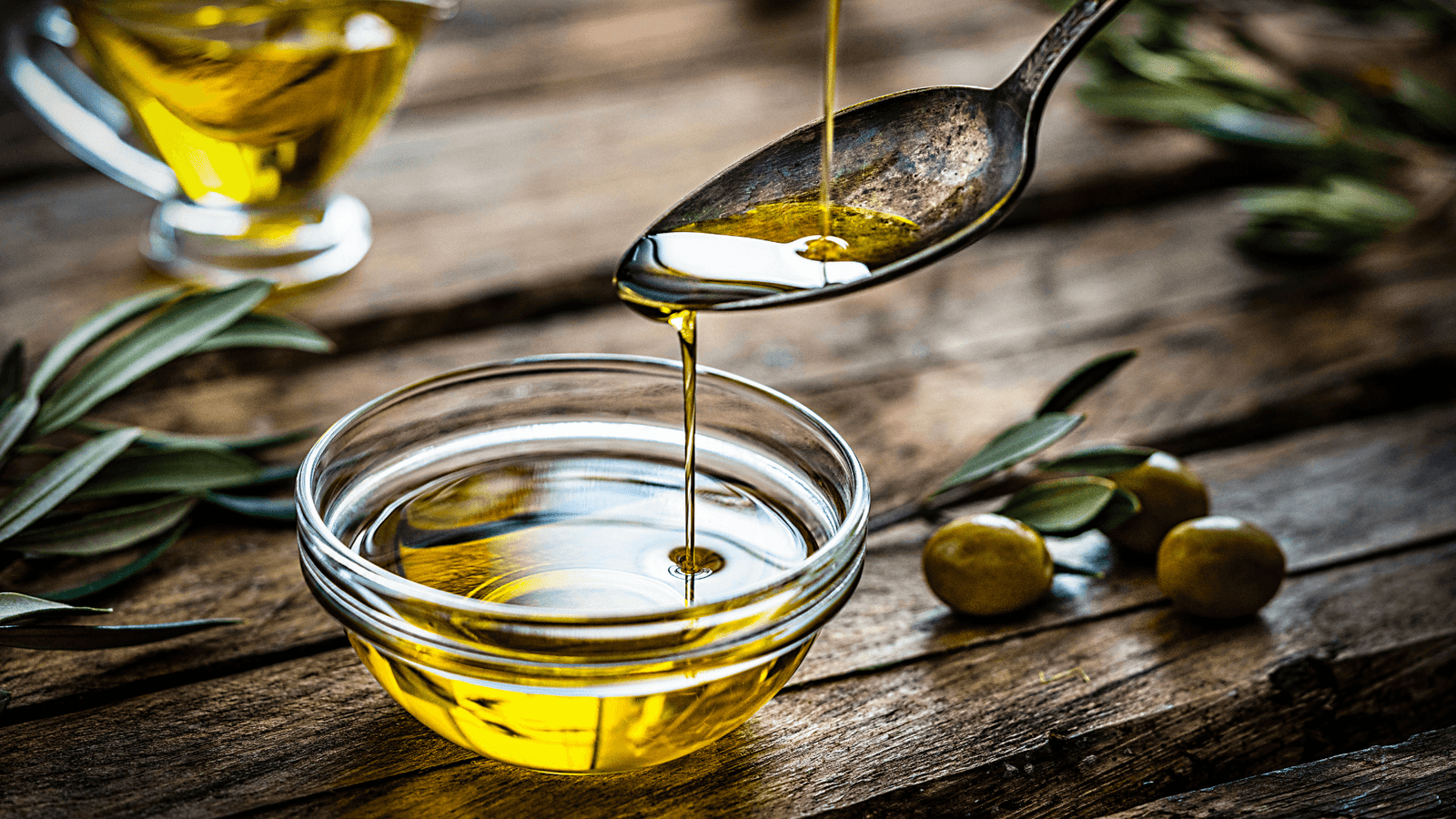
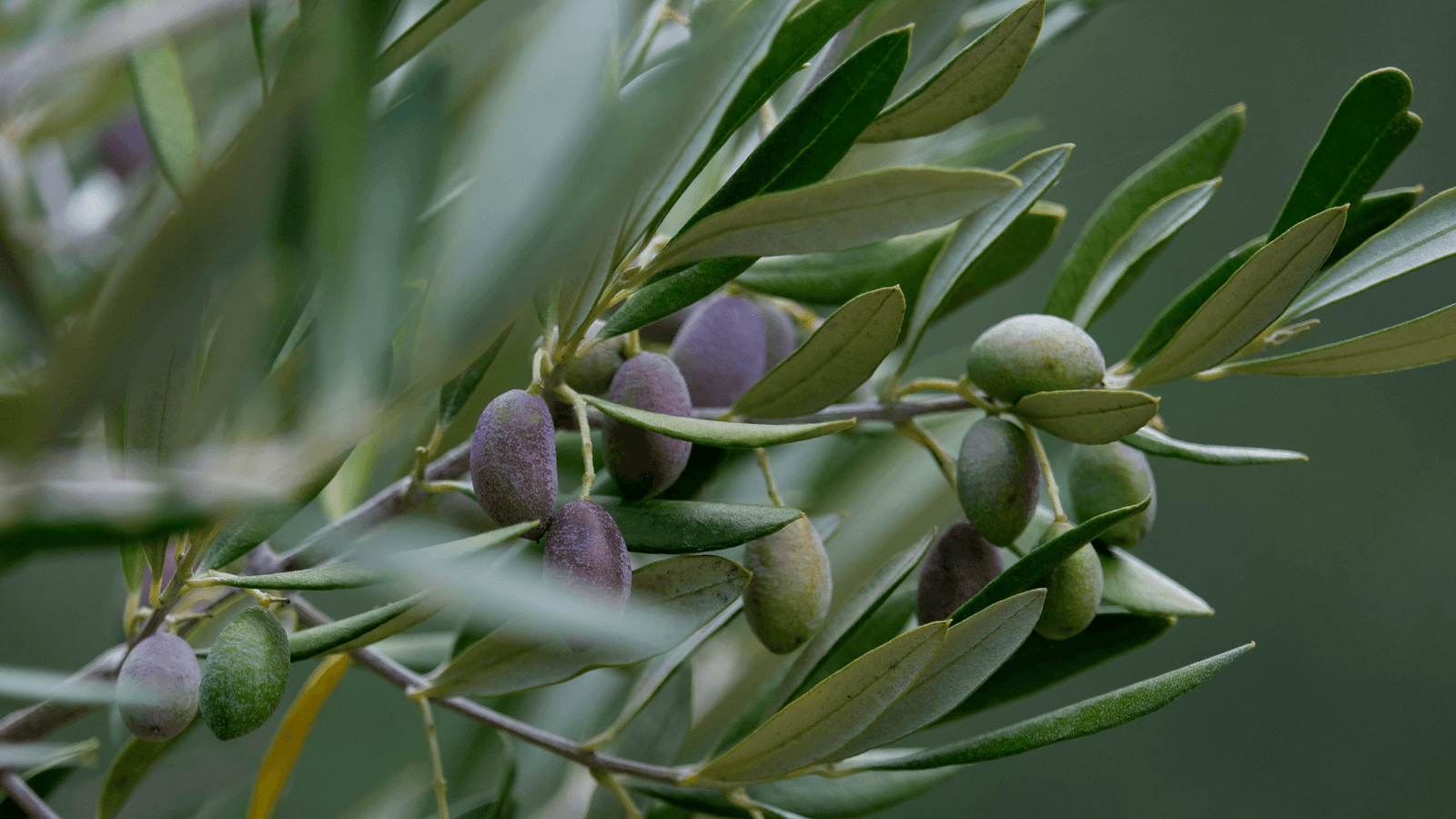
Walk into any supermarket in Dubai or Abu Dhabi, and you will find an entire aisle of bottles all labeled “extra virgin olive oil.” Some cost three times as much as others. Some state “imported from Italy,” while others specify “product of multiple countries.” A few bear certification labels you might not recognize.
Which one is actually good?
The honest answer is that the label alone won’t tell you. The olive oil industry has a well-documented quality problem. Studies from the UC Davis Olive Center found that the majority of oils sold under the extra virgin label in retail fail to meet the actual chemical standards for that grade. Most of the time, nobody is lying outright. The oil just degrades between harvest and your kitchen, and nobody is required to tell you that.
The good news is that once you know what to look for, choosing a genuinely high-quality extra virgin olive oil becomes straightforward. Here is exactly what matters and what doesn’t.
What “extra virgin” actually means
Extra virgin is a legal grade, not a marketing term. To carry the label, an oil must meet three core requirements set by the International Olive Council (IOC):
- Free acidity of 0.8% or less: measuring how much the oil has already broken down
- Peroxide value of 20 meq O₂/kg or less: measuring early-stage oxidation
- Zero sensory defects: no rancid, musty, or flat flavours, with positive fruitiness present
Fail any one of these and the oil cannot legally be called extra virgin. The problem is that these tests are done at the time of bottling, not when the oil reaches your shelf six to eighteen months later. An oil that was correctly graded at bottling can fail the same tests by the time you open it.
This is why the grade alone tells you very little. What matters is freshness, variety, origin, and how the oil was stored, none of which the label is required to tell you, but all of which you can learn to read.
Once you’ve chosen your oil, a proper storage guide is what protects that quality.
The 5 things that actually determine quality
1. Harvest date: the single most important thing on the label
Olive oil is fresh fruit juice. From the moment olives are crushed, polyphenols, the antioxidants that give good olive oil its flavour, health benefits, and stability, begin to decline. An oil that was exceptional in November can be flat and nutritionally ordinary by the following spring.
Look for a harvest date (month and year), not just a best-before date. A best-before date of 2027 tells you almost nothing about freshness. A harvest date of October 2025 tells you everything.
As a practical rule, choose oils within 12 to 18 months of their harvest date. Anything beyond that, regardless of the grade printed on the label, will have significantly reduced polyphenol content and flavour complexity.
If a bottle shows only a bottling date or best-by date with no harvest date, that is a transparency gap and a signal to look elsewhere.
2. Acidity level: lower is fresher
Free acidity measures fatty acid breakdown caused by poor harvesting, damaged fruit, delayed processing, or improper storage. Lower acidity means the oil was made from healthy fruit, processed quickly, and handled carefully.
The legal maximum for extra virgin is 0.8%. But genuinely high-quality oils pressed within hours of harvest from undamaged fruit routinely achieve acidity below 0.3%. When a producer puts the acidity level on the label, it is a sign of confidence in their product. When it is absent, that confidence may not exist.
For everyday buying: if the label shows an acidity figure, look for 0.5% or below. If it doesn’t show one at all, the harvest date and origin become even more important.
3. Polyphenols: the health and flavour factor most labels ignore
Polyphenols are the natural antioxidants in olive oil. They are responsible for the peppery sensation at the back of the throat, the slight bitterness in fresh oil, and most of the health benefits associated with extra virgin olive oil, including anti-inflammatory effects, cardiovascular protection, and antioxidant activity.
The European Food Safety Authority recognises 250 mg/kg as the threshold at which olive oil polyphenols actively help protect blood lipids from oxidative damage. Many retail oils contain less than 100 mg/kg by the time they reach consumers, well below that threshold, even when labelled “premium.”
What drives polyphenol content:
- Variety: Native cultivars like Chetoui (Tunisia), Koroneiki (Greece), and Picual (Spain) are naturally high in polyphenols
- Harvest timing: Early-harvest green olives contain significantly more polyphenols than fully ripened fruit. Early harvest in October versus December can mean two to three times the polyphenol concentration.
- Processing speed: Olives milled within hours of picking retain far more polyphenols than fruit left sitting overnight
- Storage: Oils stored in temperature-controlled, light-protected environments lose polyphenols much more slowly.
If polyphenol content matters to you for health reasons or because you want oil with genuine complexity and longevity, look for producers who publish lab-verified polyphenol figures. The method should be HPLC, and the number should appear in mg/kg, not vague language like “high polyphenol” with no data behind it.
4. Packaging: dark glass or tin, nothing else
Light is one of the factors that cause olive oil to deteriorate most rapidly. Clear glass bottles, which look attractive on a shelf, can reduce polyphenol content by up to 40% within 30 days, even in normal storage conditions.
The rule is simple: dark glass or tin. Amber or green glass that blocks UV light, or a quality tin, is the correct format for extra virgin olive oil. If you are buying online and the product photo shows a clear bottle, that alone is a reason to reconsider.
Avoid large-format containers unless you use olive oil very quickly. Once opened, olive oil is exposed to oxygen and ideally should be consumed within 30 to 60 days. A five-litre tin might look like better value, but if it takes you three months to finish it, the last third will be significantly degraded.
5. Origin and variety: transparency over marketing
Labels that say “product of Italy” or “blend of EU olive oils” tell you very little. Italy, Spain, and Greece are respected origins, but they also import large volumes of olive oil from Tunisia, Morocco, and elsewhere, blend it, and bottle it under a domestic label. The origin on the bottle is the country of bottling, not necessarily the country of pressing.
Single-origin oils, where the olives and the pressing are from the same identifiable location, offer genuine traceability. Estate oils, where the producer grows, presses, and bottles on the same property, offer the most transparency of all.
If the label tells you the variety (Chemlali, Chetoui, Arbequina, Picual, Koroneiki) and the region, that is a producer who understands their product and is confident enough to show you exactly what is inside the bottle.
What the label cannot tell you and how to use your senses
Once you open a bottle, your palate is the final test. Genuine high-quality extra virgin olive oil has a recognisable sensory profile:
- Aroma: fresh, green, grassy: cut grass, green tomato, fresh herbs, or green almond. Not flat, not buttery, not neutral
- Taste: slightly bitter on the tongue, a sign of healthy polyphenols
- Finish: a peppery sensation at the back of the throat; the stronger the pepper, the higher the polyphenol content. One cough means moderate polyphenols. Two coughs mean you are holding something exceptional.
- What to avoid: any rancid, musty, wine-like, or completely neutral flavour. Rancidity smells like old wax crayons or stale nuts. These are defects that disqualify an oil from the extra virgin grade, but they only develop after bottling, so they will never appear on the label.
What doesn’t matter as much as you think
Colour tells you almost nothing about quality. Green oils, like golden oils, can be excellent or mediocre; the color depends on the variety and the time of harvest, not on the category.
“First cold press” is largely a legacy term. Modern olive oil production uses continuous centrifuge systems rather than traditional presses, and virtually all extra virgin olive oil is cold-extracted. The term is not meaningless, but it is not a reliable quality indicator on its own.
Price is loosely correlated with quality but not reliably so. Some of the best olive oils in the world are relatively affordable because they come from origins with lower production costs, Tunisia being a clear example, where world-class organic extra virgin olive oil is produced at a fraction of the price of comparable Italian or Greek bottles.
Choosing for your specific use
For raw use: drizzling, dipping, dressings
This is where quality matters most. Use your freshest, highest-polyphenol oil here you will taste every nuance. A robust Chetoui or Koroneiki with strong pepper and bitterness is ideal. This is not the place for a mild or older oil.
For cooking at medium heat
A good-quality extra virgin olive oil is perfectly suitable for sautéing or roasting food at moderate temperatures. The smoke point of genuine EVOO is around 190–210°C, well above typical home cooking temperatures. The health benefits reduce with heat, but the flavour and fatty acid profile remain stable.
For high-heat frying
A slightly less expensive extra virgin with lower polyphenols is fine here; the polyphenols will degrade with heat regardless, so there is no point paying for them.
For wholesale and professional buyers
If you are sourcing olive oil for a restaurant, hotel, retail brand, or food manufacturing in the UAE, the same principles apply at scale: request chemical analysis with acidity and peroxide value, ask for harvest date confirmation, and verify the origin. For private label olive oil in the GCC market specifically, traceability from a single origin is increasingly what premium retail buyers require.
Why Tunisian extra virgin olive oil deserves your attention
Most people shopping for premium olive oil default to Italian or Spanish bottles, and while those origins produce excellent oils, they also carry a significant price premium that often reflects branding more than quality.
Tunisia is the world’s largest producer of organic olive oil, with nearly 80% of national production certified organic, a figure driven by traditional farming practices that predate the organic movement. Its native cultivars, particularly Chetoui and Chemlali, produce oils that are naturally high in polyphenols, low in acidity, and award-winning at international competitions.
Tunisian organic extra virgin olive oil offers genuine quality at an honest price. And for buyers in the UAE who understand what is actually in the bottle, it is one of the most compelling choices available.
You can also read our guide on why single-origin matters and how the Mediterranean food supply chain works for GCC buyers.
A simple checklist before you buy
- Harvest date visible on the label (month and year)
- Within 12–18 months of that harvest date
- Acidity stated and ideally below 0.5%
- Dark glass or tin packaging
- Single origin with variety named, if possible
- Peppery, grassy aroma when opened, not flat or neutral
- The producer provides lab data or certification on request
If a bottle passes most of these, you are holding something worth buying. If it fails several, the label means very little regardless of what country name is printed on it.
Source Certified Extra Virgin Olive Oil Wholesale
KB Agriculture supplies certified extra virgin olive oil, including single-origin Tunisian EVOO wholesale to retailers, distributors, and food businesses across the UAE and GCC. View our olive oil range or contact us to discuss supply, private label, and bulk sourcing.